The Neuroscience of Behavior & Change
Explore the brain's plasticity and the biological blueprints behind human behavior.
Change isn't just a "mindset" issue; it is a biological one. Every habit you possess is a physical pathway carved into your brain. This pillar bridges the gap between abstract self-help and hard biological science, explaining the "why" behind your brain's resistance to change and its incredible capacity for adaptation.
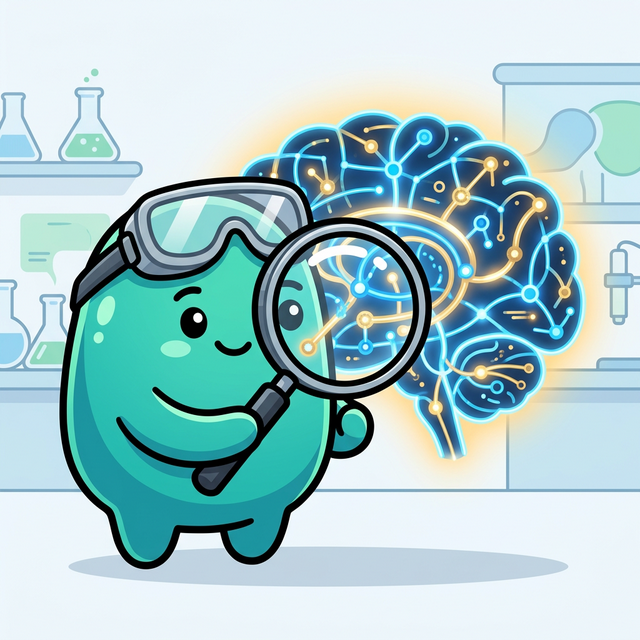
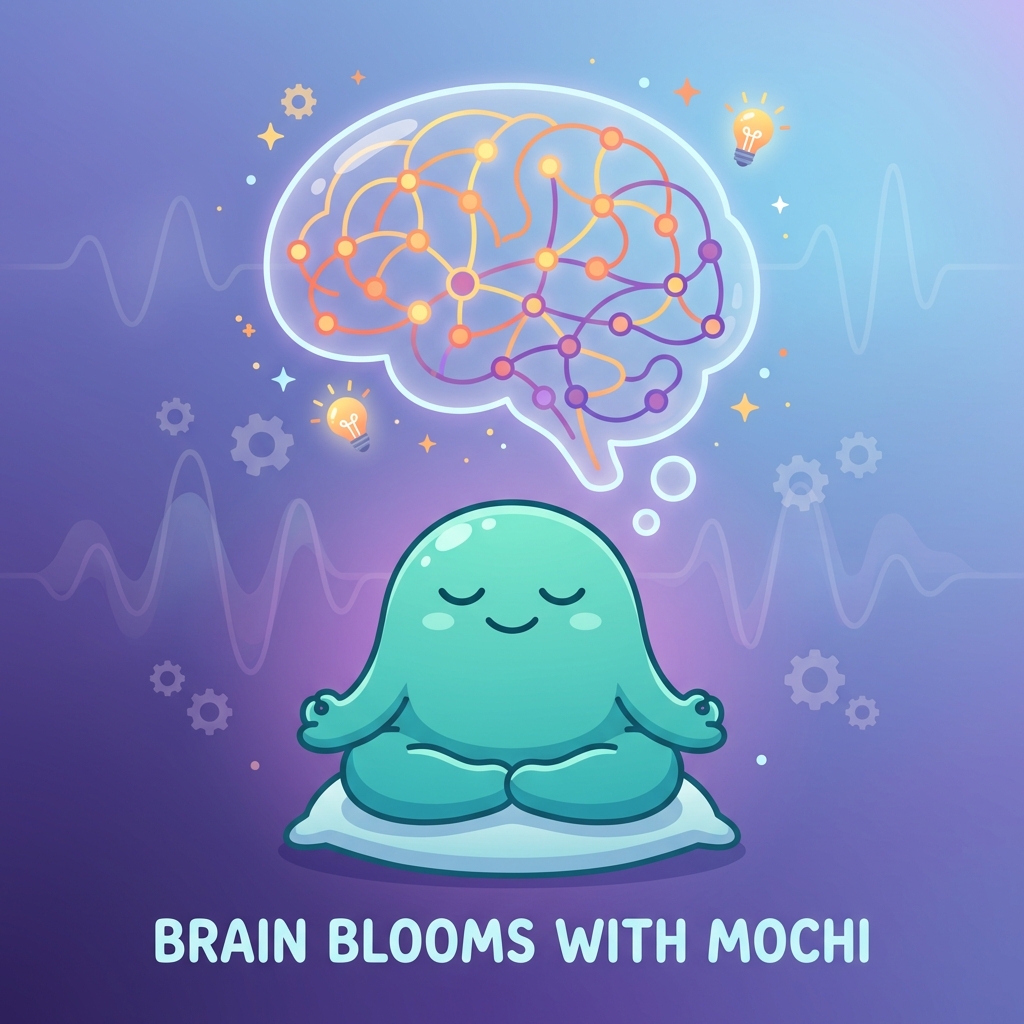
At the heart of this exploration is Neuroplasticity—the brain's ability to reorganize itself by forming new neural connections throughout life. When you repeat a behavior, you strengthen the myelin sheath around those specific neurons, making the signal travel faster and with less effort. This is the biological definition of "automaticity." We focus heavily on the Basal Ganglia, the portion of the brain responsible for habit storage, and the Prefrontal Cortex, the "CEO" of the brain that handles decision-making and willpower.
By understanding the "Prefrontal-Striatal" tug-of-war, you can learn why you often "know" what to do but find yourself doing the opposite. We also investigate the role of Dopamine, not just as a "pleasure molecule," but as a "prediction error" and motivation chemical that drives us to seek rewards. Understanding your neurochemistry allows you to work with your biology instead of against it. Here, we translate complex laboratory findings into actionable strategies for "rewiring" your brain. You will find deep dives into the neurobiology of routine, the impact of stress on the brain's "habit center," and how to use visualization to prime your motor cortex for new identities. Change is a physical process; once you understand the hardware, the software update becomes much easier.