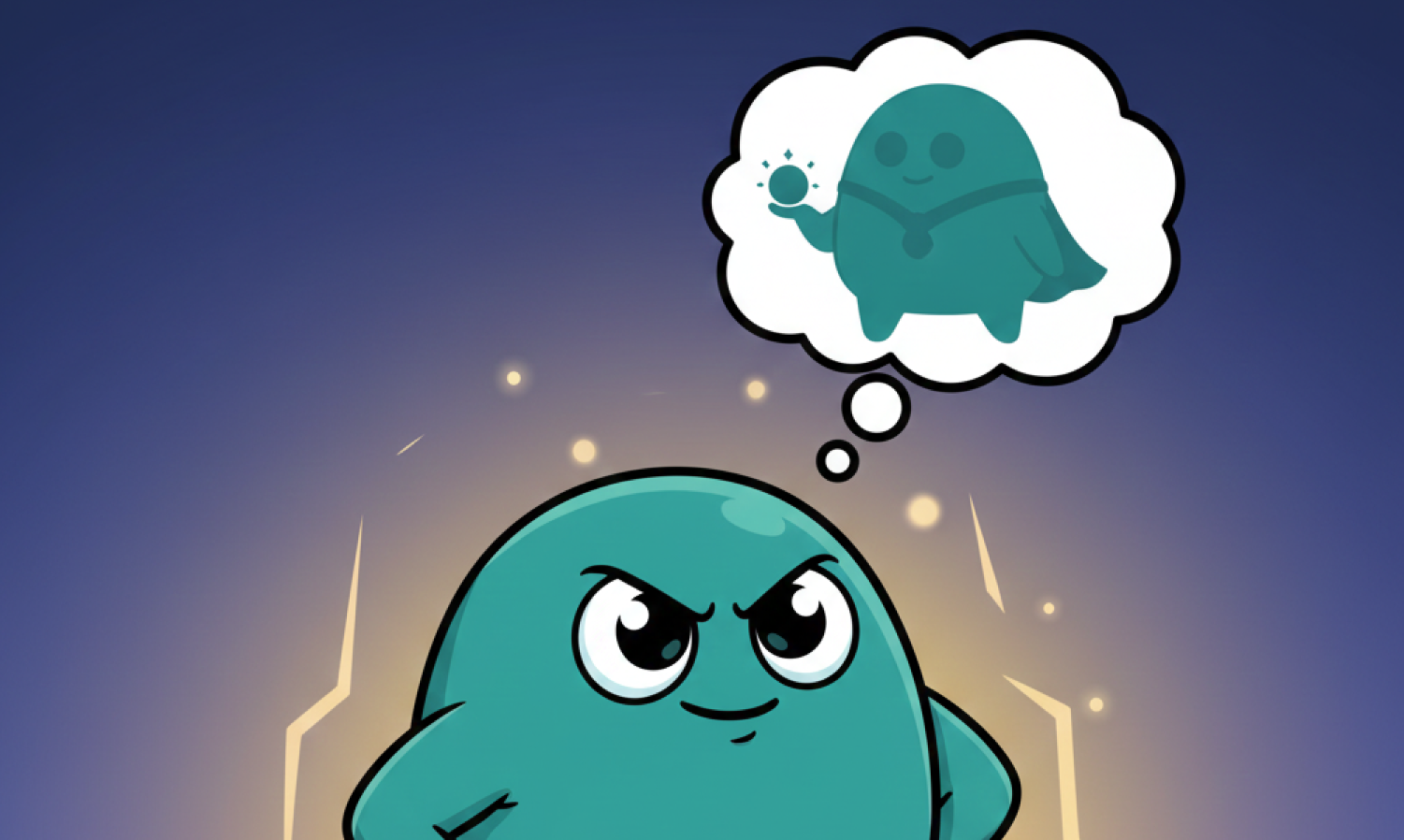
The Power of Identity Statements: Becoming Who You Want to Be
Discover how identity statements can transform your approach to personal change. Learn to craft powerful declarations that drive lasting behavior change.
What if the key to lasting change wasn’t about doing more, but about being different? Identity statements are the foundation of the Becoming approach, and understanding their power can revolutionize how you think about personal development.
The Problem with Goal-Based Change
Traditional self-improvement focuses on outcomes:
- “I want to lose 20 pounds”
- “I want to read more books”
- “I want to save money”
These goals are clear, but they have a fatal flaw: they focus on having rather than being. Once achieved, motivation evaporates. And when progress stalls, so does your effort.
What Are Identity Statements?
Identity statements flip the script. Instead of focusing on what you want to achieve, they focus on who you want to become:
- “I am a healthy person who nourishes my body”
- “I am a reader who learns something new every day”
- “I am someone who builds wealth consistently”
These statements don’t describe a destination - they describe a way of being.
The Science Behind Identity
Research in psychology shows that our self-concept is one of the strongest predictors of behavior. When we see ourselves as a certain type of person, we naturally act in alignment with that identity.
This isn’t positive thinking or affirmation - it’s leveraging how the brain actually works. Every action you take is a vote for the type of person you want to become.
Crafting Your Identity Statement
A powerful identity statement has three characteristics:
1. Present Tense
Write as if it’s already true. “I am” not “I will be.”
2. Positive Framing
Focus on what you are, not what you’re not. “I am calm under pressure” rather than “I don’t get stressed.”
3. Personal Meaning
Your statement should resonate emotionally. If it feels hollow, dig deeper into why this identity matters to you.
Examples of Powerful Identity Statements
Health & Fitness:
- “I am an athlete who trains my body daily”
- “I am someone who prioritizes rest and recovery”
- “I am a person who fuels my body with nutritious food”
Learning & Growth:
- “I am a lifelong learner who embraces challenges”
- “I am curious and always seeking to understand”
- “I am someone who reads every single day”
Productivity & Work:
- “I am a focused professional who does deep work”
- “I am someone who honors my commitments”
- “I am a creator who ships work consistently”
Living Your Identity
Creating an identity statement is just the beginning. The real magic happens when you align your daily habits with your declared identity.
Each time you act in accordance with your identity, you strengthen it. Each habit completed is evidence that you are who you say you are.
This is why Becoming connects identity statements to specific habits. Your daily practice becomes proof of your transformation.
Start Your Identity Journey
Take a moment right now. Who do you want to become? Write one identity statement that resonates with you. Then, identify one small habit that this version of you would naturally do.
That’s your starting point. That’s where transformation begins.
You’re not just changing behaviors. You’re becoming someone new.