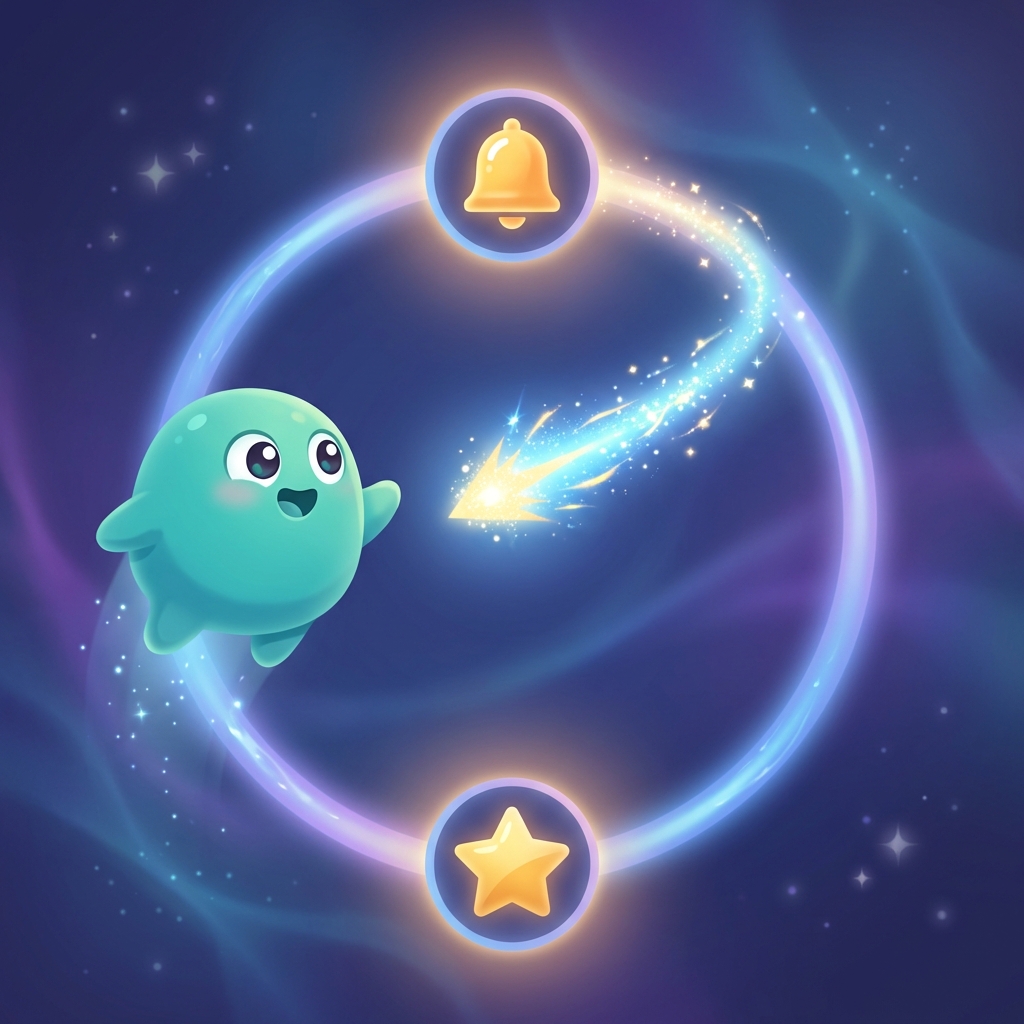
The Dopamine Loop: Understanding the Neurochemistry of Habit Success
Dopamine isn't about pleasure; it's about craving. Learn how to hack your brain's reward system to make your good habits as addictive as your smartphone.
Most people think dopamine is the “pleasure chemical.” They think we get a hit of dopamine when we eat a delicious meal or win a game.
But neuroscience tells a different story.
Dopamine is primarily responsible for reward-seeking behavior. It is the chemical of anticipation, not satisfaction. It’s the reason you feel a surge of energy when you crave a cookie, but only a mild sense of pleasure when you actually eat it.
If you want to build habits that stick, you have to understand how to manage this “Dopamine Loop.”
The Craving-Action-Reward Cycle
The habit loop consists of three parts, all powered by dopamine:
- The Cue: You see your running shoes (or get a notification from Becoming).
- The Craving: Your brain releases dopamine in anticipation of the reward. This provides the motivation to act.
- The Variable Reward: You finish the workout and feel a sense of accomplishment.
If the reward is consistent, the “craving” part of the loop gets stronger. If the reward is missing, the loop breaks.
Hacking the Loop with Becoming
A major reason why good habits fail is that the reward is too far away. You exercise today to feel healthy in six months. Your brain has trouble connecting that distant reward to today’s effort.
Becoming closes the gap.
- The Instant Reward: The simple act of tapping a checkmark provides an immediate, visual reward. It satisfies the “completion” drive in your brain.
- Variable Progress: Seeing your streak grow (from 2 days to 10 days) provides a sense of escalating reward. Your brain starts to “crave” the next checkmark to keep the streak alive.
- Identity Reinforcement: When you see yourself as “Someone who moves every day,” the act of moving becomes its own reward because it reinforces your identity.
Dopamine Management: Tips for Success
1. Celebrate the Small Wins
Don’t wait for the end of the month to feel good. Physically celebrate after a habit. A small fist pump or a mental “Yes!” triggers a micro-dose of dopamine that reinforces the behavior.
2. Use “Temptation Bundling”
Pair a habit you need to do with a habit you want to do.
- “I can only listen to my favorite podcast (Dopamine hit) while I’m exercising (Habit).“
3. Minimize Digital Distractions
Social media notification “pings” are designed to hijack your dopamine system. They train your brain to crave intermittent, low-value rewards.
- Becoming uses notifications intentionally to cue your chosen habits, effectively reclaiming your dopamine system for your own goals.
The Goal: From Craving to Identity
Eventually, the dopamine loop for a good habit becomes so strong that you no longer need the “checkmark” as much. The behavior becomes intrinsically rewarding. You don’t exercise because you have to; you exercise because it’s who you are.
But until then, use the tools. Hack the loop.
NOTE
Dopamine is a Tool, Not a Trap You can’t eliminate your brain’s dopamine response, nor should you want to. The goal is to point that dopamine at the actions that actually build the person you want to become.